Would I Buy Another Tesla Model 3 Performance? Four Years Later, My Answer Is Yes.
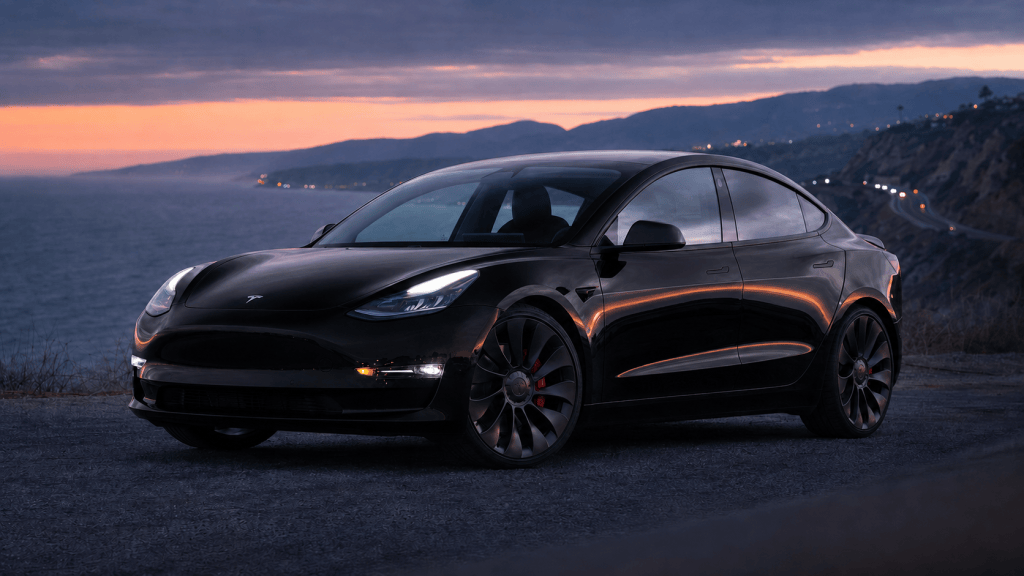
When people ask me if I’d buy another Tesla Model 3 Performance, my answer usually surprises them.
Yes…but only as a commuter car.
That answer comes from someone who has spent years behind the wheel of turbocharged, manual-transmission performance cars. Before the Tesla, my garage was filled with some incredible machines that shaped what I enjoy about driving.
Before the Tesla
I’ve always been a car enthusiast, and modifying cars has been just as much fun as driving them.
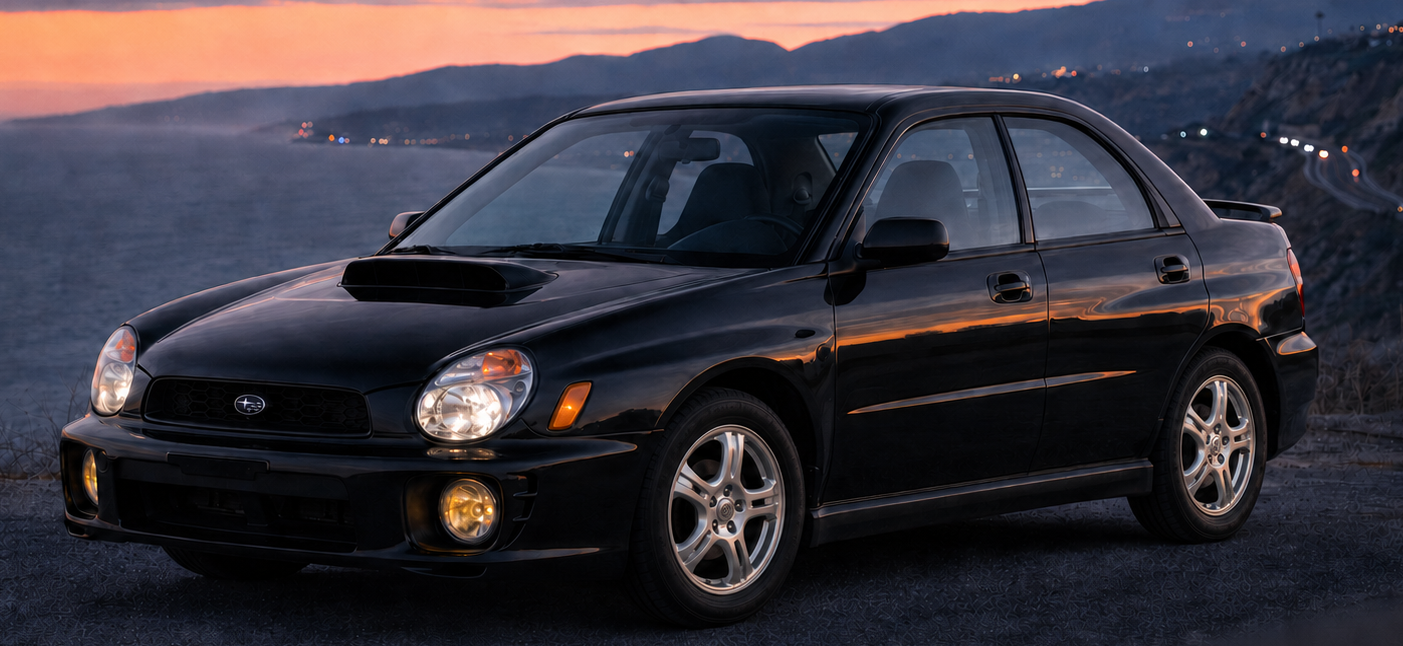
My first serious project was a 2003 Subaru WRX. Over the years I slowly transformed it into a 355-horsepower street car with an ECU tune, upgraded turbo, exhaust, intercooler, and plenty of supporting modifications. Every new part made the car feel brand new again. It constantly fed that desire to improve it just a little more.
Of course, modified cars also come with their share of headaches. Little issues always seemed to pop up after each round of upgrades. Nothing catastrophic, but enough to remind you that reliability is often the price of more horsepower.
Eventually I moved into a 2010 Mitsubishi Lancer Evolution X. This became an even bigger project.
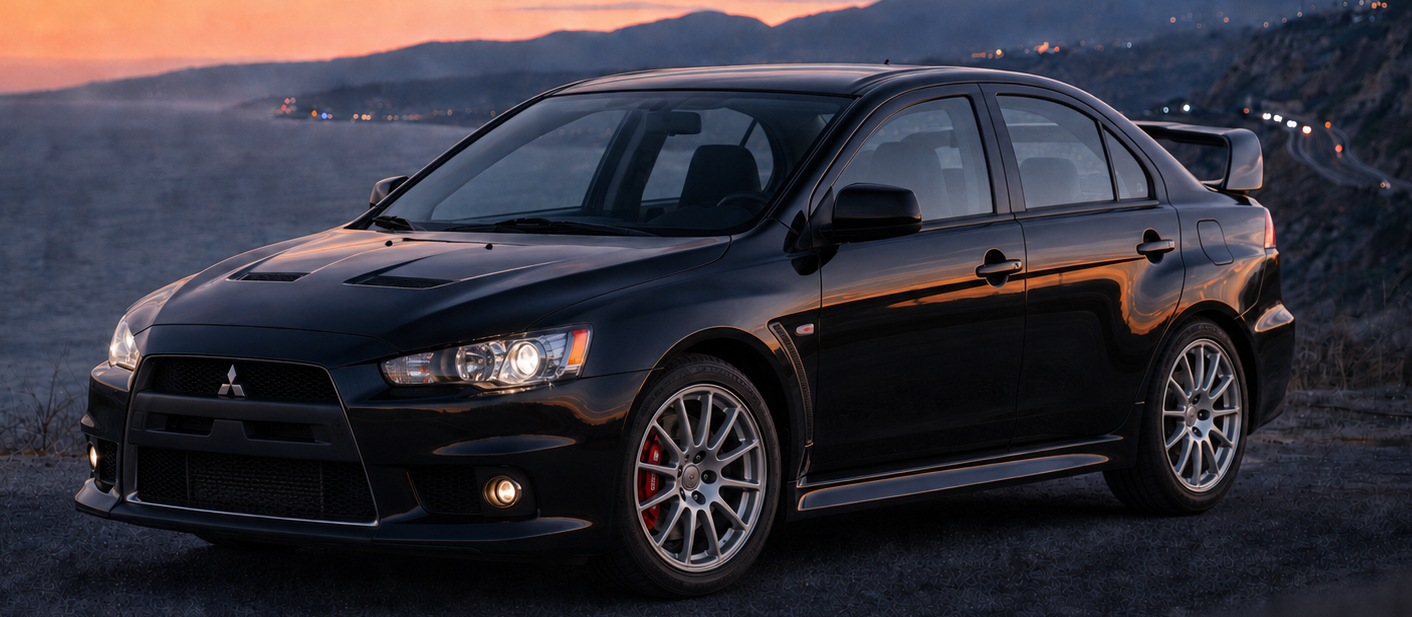
By the time I finished, the Evo was making roughly 600 horsepower on E85 with larger fuel injectors, upgraded fuel pump, ECU tuning, turbo, and exhaust. Ironically, the factory intercooler was already good enough for my setup, so that remained untouched.
The Evo was an absolute monster.
Unfortunately, California became increasingly unfriendly toward modified vehicles. Between emissions regulations and inspections, owning heavily modified cars simply became more work than fun.
My Dream Car Brand
Then I bought what had always been one of my dream cars—a 2006 Porsche 911 Carrera S (997.1) in Seal Gray.
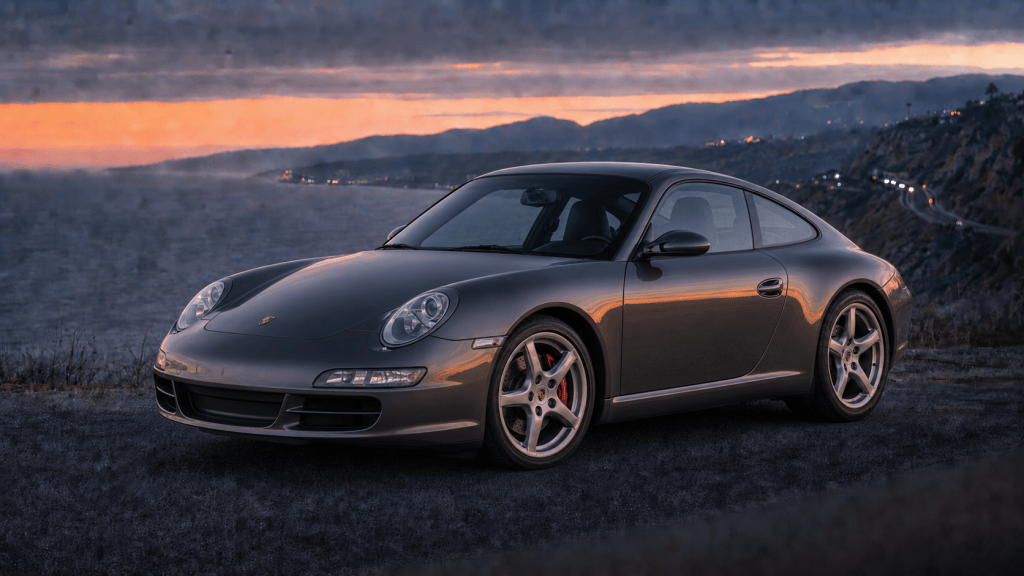
To this day, I think it’s one of the most beautiful cars Porsche has ever built.
It was one of those cars where I’d find myself looking back every time I parked it. The proportions, the wide rear fenders, the sound of the flat-six engine, the view from the driver’s seat—it all just worked.
Was it perfect?
No.
It had a few electrical gremlins, including occasional issues with the radio and display, and fifth gear would sometimes grind slightly. But none of those things ever outweighed the experience of driving it.
I’d buy another one in a heartbeat.
The Commute That Changed Everything
As much as I loved every one of those cars, there was one problem.
My daily commute.
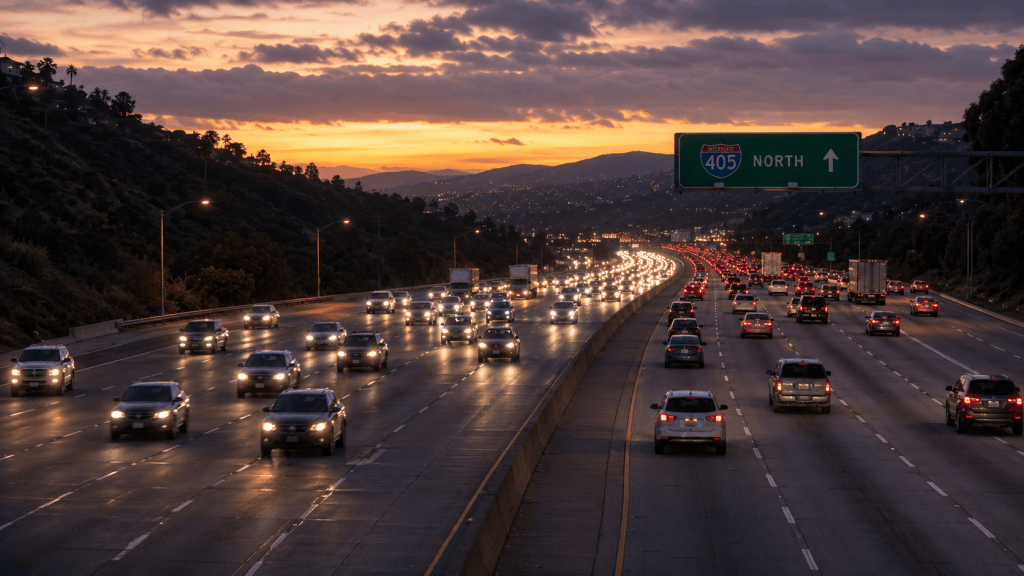
At the time I was driving roughly 33 miles each way through Southern California traffic.
Every one of my performance cars had a manual transmission.
Normally that’s exactly what I wanted.
But sitting in stop-and-go traffic every day? Not so much.
The WRX wasn’t bad.
The Porsche was manageable.
The Evo, however, had a racing clutch that became miserable during rush hour. There were even hills on my commute that I’d intentionally avoid because restarting on steep inclines with that clutch wasn’t worth the frustration.
After years of commuting, something unexpected happened. I started thinking about buying an electric vehicle. Not because I wanted to replace gasoline with batteries. Not because I suddenly stopped loving performance cars.I simply wanted my commute back. Driving in California’s HOV lanes could potentially save me 10 to 20 minutes each way, and after years of sitting in traffic, that sounded incredibly appealing.
Convincing Myself to Buy an EV
I’ll be honest.
Selling myself on an electric car wasn’t easy.
I had an Evo.
I had a Porsche.
Both represented everything I loved about driving.
On top of that, this was during the COVID supply shortages when affordable EVs often had one- to two-year waiting lists. Premium models, however, were arriving much sooner.
A friend of mine, Jeff, kept steering me toward one particular car.
The Tesla Model 3 Performance.
Once I started looking at the specifications, it became easier to justify.
- 0–60 mph in 3.2 seconds
- All-wheel drive
- Practical four-door sedan
- Excellent charging network
- Over-the-air software updates
- HOV lane access
It wasn’t replacing my enthusiast side.
It was replacing my commuter.
So I bought one.
The First Impression
The first time I accelerated hard, I laughed.
It was ridiculous.
I’ve driven 600-horsepower turbocharged cars.
I’ve launched all-wheel-drive manuals.
I’ve spent years chasing horsepower.
Nothing quite prepares you for the instant torque of a Tesla.
No waiting for boost.
No missed shifts.
No clutch.
Just instant acceleration.
Even after four years, it still catches me off guard.
Living With the Tesla
This is where Tesla really shines.
The software.
Every few months another update arrives.
Sometimes it’s a new feature.
Sometimes it’s a performance improvement.
Sometimes it’s something completely unexpected.
It honestly gives the car a feeling that no traditional manufacturer has matched.
Instead of your car slowly becoming outdated, it actually improves over time.
Tesla’s charging network has also been excellent.
I’ve never worried much about road trips because the Supercharger network simply works.
It Wasn’t Perfect
That doesn’t mean ownership has been flawless.
The biggest repair was replacing the rear drive motor.
Thankfully, it happened while the vehicle was still under warranty.
Then there’s the tires.
Holy…
This car absolutely destroys tires.
Over four years I’ve gone through roughly nine tires, and replacement tires for the factory 20-inch wheels are around $500 each.
That gets expensive quickly.
If I could go back and do one thing differently, I’d immediately replace the factory 20-inch wheels with 18-inch wheels and tires.
Yes, there’s an upfront cost.
But you’ll save money over time, improve ride quality, and have significantly more tire choices.
If you’re buying a Model 3 Performance today, that’s probably the first modification I’d recommend.
Would I Buy Another?
Absolutely.
In fact, I’d buy the new Model 3 Performance without hesitation.
Tesla addressed many of the things I’d want:
- Even quicker acceleration (0–60 mph in around 2.9 seconds)
- Adaptive suspension
- Ventilated seats
- Rear passenger display for the kids
- Updated interior
- Improved hardware
- Better refinement throughout
It takes everything I already like about my current car and makes it better.
Final Thoughts
Here’s the interesting part.
If you asked me whether I’d trade a Porsche 911 for a Tesla, my answer would still be no.
A Porsche is an experience.
The sound.
The steering.
The emotion.
The connection between driver and machine.
A Tesla doesn’t replace that.
But if you asked me which car I’d choose to drive every single day through Southern California traffic?
The answer is easy.
The Tesla Model 3 Performance is one of the best commuter cars I’ve ever owned.
It’s unbelievably fast, practical, comfortable, inexpensive to charge, and somehow continues getting better years after you buy it.
Would I buy another one?
Absolutely.
But don’t worry…
If my dream Porsche ever shows up in my driveway, the Tesla might suddenly find itself parked outside.

